
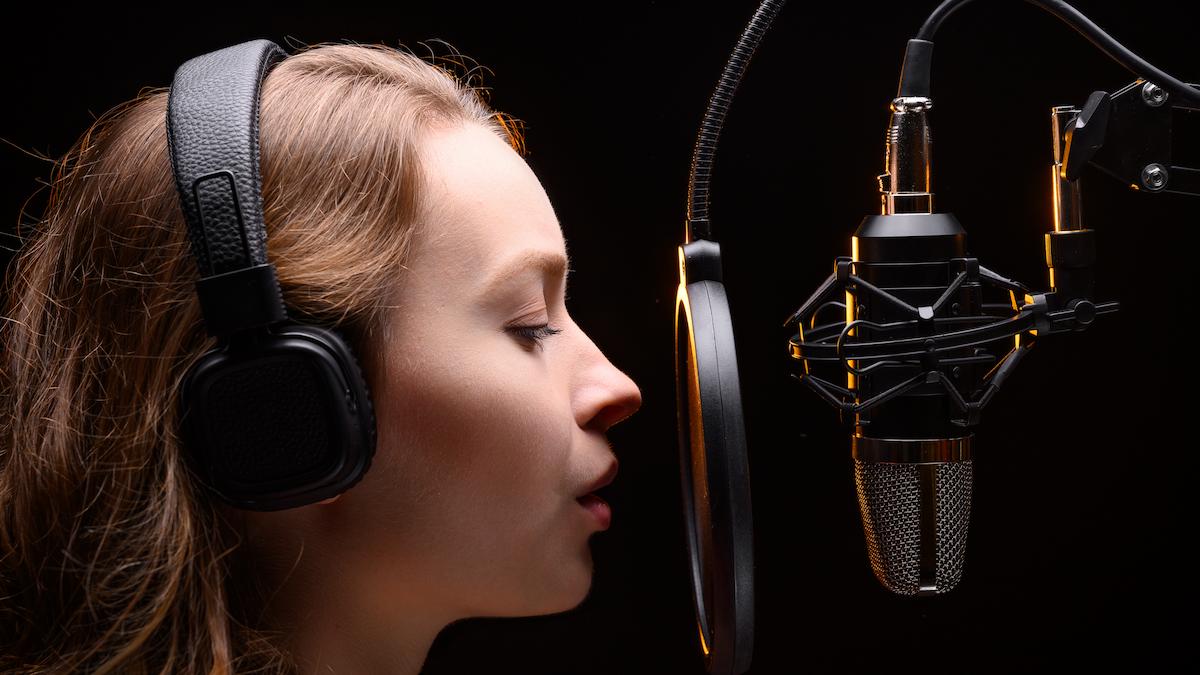
For audiences in many parts of the world, dubbed voices are cultural touchstones. They shape how characters are remembered, how humor lands, and the emotions a story elicits.
Just as English-speaking audiences instantly recognize voices like Morgan Freeman or Leonardo DiCaprio, viewers in dubbing-centric cultures form strong bonds with the performers who bring those same characters to life in their own language. That’s why a growing number of governments and creative industries are starting to say out loud what audiences have known for years. Dubbing isn’t just a step in localization. It’s a form of performance, and deserves to be treated as such.
Across Latin America and Europe, new legislation and policy debates are reframing dubbing as creative heritage. These conversations sit at the intersection of art, labor rights, and emerging technology, raising important questions about how human performance should be valued in a global media landscape.
Brazil’s Pending Bill and the Voices Audiences Grew Up With
Brazil offers one of the clearest examples of a culture where dubbing is more than just a practicality. In Brazil, the dubbed voice of Homer Simpson or Harry Potter isn’t necessarily seen as a copy of the original performance. It’s a voice actor’s own interpretation, one that’s widely recognized and often loved nationwide. For many viewers, those voices are the characters.
This cultural reality is now showing up in legislation. Bill No. 3385/2024 would recognize dubbing as intangible cultural heritage in Brazil, reinforcing the idea that voice acting and localization are expressions of national culture, not interchangeable production tasks.
A related proposal, Bill No. 5005/2025, would prohibit the unauthorized use of an actor’s image or voice. Together, these bills reflect a growing understanding that a performer’s voice isn’t just a tool. It’s part of their artistic identity, tied directly to issues of consent, attribution, and ownership.
A Global Reappraisal of Dubbing as Cultural Expression
Brazil’s proposals are part of a broader global trend. Around the world, governments and creative communities are starting to look at dubbing as an important part of cultural identity.
- Mexico is advancing legislation to regulate dubbing, animation, and related creative fields with stronger protections for voice actors’ rights and limits on unauthorized synthetic use.
- Spain already recognizes “Representative Manifestations of Intangible Cultural Heritage” within its national framework. While dubbing isn’t formally listed, the structure exists to recognize performance traditions as awareness grows.
- France, Germany, and Italy have deeply rooted dubbing cultures that shape how audiences experience international cinema. Many viewers remember hearing the same local voices attached to certain characters for decades.
- India has seen increasing advocacy from voice actors around consent and fair compensation, signaling a wider shift toward recognizing dubbing as creative performance.
Dubbing Is More Than Translation
This global conversation shows that dubbing does more than move dialogue from one language to another. A voice carries timing, emotion, humor, and rhythm. Those choices shape how audiences connect with a story and how authentic it feels.
As lawmakers move to recognize dubbing as cultural heritage, they also acknowledge these performances as creative works in their own right and reinforce a simple idea: a voice isn’t a neutral asset. It’s a form of artistic expression.
For localization teams, that raises the bar. Quality can’t stop at linguistic accuracy. It has to include emotional authenticity, cultural fluency, and respect for both the original and localized performances.
How TransPerfect Media Supports Human-Centered Media Production
As regulatory scrutiny increases and dubbing technologies continue to evolve, producers face new expectations around licensing, attribution, and creative integrity. Staying current with evolving requirements is becoming essential, not only to avoid compliance gaps, but to maintain trust with audiences who value authenticity.
The challenge for studios and streaming platforms is finding the right balance. Speed and scale matter, but so does preserving the human artistry that gives stories their emotional weight.
TransPerfect Media combines global reach with local expertise to ensure dubbing and localization reflect both artistic integrity and regulatory responsibility. Our teams:
- Work with local voice actors and directors who understand emotional nuance and cultural humor
- Build consent and rights management into every step of production
- Use technology to support, not replace, the talents of real people
As dubbing continues to be recognized as cultural heritage, we’re here to help content creators deliver localized media that feels authentic, respectful, and human.
The Takeaway: Dubbing Is Art Worth Protecting
Dubbing has always bridged worlds and invited millions of viewers into new adventures. By treating this work as cultural heritage, we recognize the value of the performances behind the scenes, even as technology changes how we produce and share media.
Want your localized content to stand out—and stay ahead of new regulations?
Partner with TransPerfect Media. We connect your stories to global audiences, keeping the human touch at the heart of every voice.